


All posts in: Book of Vayikra
-
 9 years ago
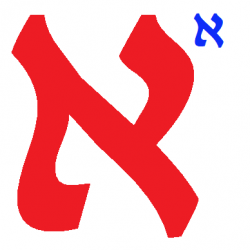
THE HUMBLE aLEPH
In the Torah scroll, the aleph of the word “וַיִּקְרָא” is written smaller than the other letters. Why? Rashi writes that the word “וַיִּקְרָא” connotes ..
Written by Rabbi Moshe Kormornick
-

-
 9 years ago
Even the cows…
One of the most disheartening episodes that occurred during the 40-years in the desert is recorded in this week’s parsha. A man quarreled with a fellow Jew and left ..
Written by Benjamin A Rose
-
9 years ago
Keep IT fenced!
Do not perform the practices of the land of Egypt in which you dwelled, and do not perform the practices of the land of Canaan to which I bring you, and do not follow ..
Written by Rafi Jager
-
9 years ago
Hashem never gives us more than we can handle
“Im Bechukosai Taylaychu” (Vayikra 26:3). This, the last Parsha in Vayikra begins by discussing the good things that will happen when Klal Yisrael will ..
Written by Benjamin A Rose
-
9 years ago
BEHAR/BECHUKOSAI – integrating concepts
The mitzvah of shemita requires every Jew (in the Land of Israel) to refrain from working the land during every 7th year. This was not just an enforced sabbatical ..
Written by Rabbi Andrew Savage
-
9 years ago
Lulav before Sukkos?!
The Netziv (32:43) quite correctly asks why, when our sedra speaks about the festival of Sukkos, does it put the mitzvah of the 4 minim (‘species’) before ..
Written by D Fine
-
9 years ago
Fear your parents, and picture them standing before you!
Ohr Hachaim says that when one is overcome by impure thoughts and his Yetzer HaRa (Evil impulse) threatens to entice him to sin, there is one powerful preventive ..
Written by Benjamin A Rose
-
9 years ago
sins are to correct (short)
Rashi (14;34) brings a not-so-easy-to-comprehend medrash that says that HaShem guaranteed Bnei Yisrael that they would have to break down their houses (because of tzara’as ..
Written by D Fine
-
9 years ago
The importance of Sin
The pig is called the “Chazir” from the word “Chozer”, return. The Medrash Shochar Tov on Tehilim 146 tells us that in the future when the world becomes ..
Written by Anonymous
-
9 years ago
Protect Others From Embarrassment
We are told in parasha Tzav that the burnt offerring and the sin offerring were to be slaughtered in the same place. The Talmud Yershalmi in Yevamos says this was in order ..
Written by Anonymous