


All posts in: Emor
-
 9 years ago
Be holy, and . . .
They shall be holy to their God, and they shall not desecrate their God’s Name (21:6) This verse commands the Kohanim to be holy; it then commands the Kohanim ..
Written by Rabbi Moshe Kormornick
-

-
 2 years ago
A true masmid
Our Parashah teaches us that that the menorah should burn “before Hashem continually” (24:4). Rashi explains that it doesn’t mean that it should be burning ..
Written by Daniel Shasha
-
 2 years ago
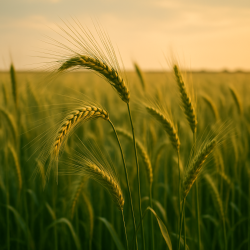
The miracle of seeds
Emor We are standing in the midst of the unique period of Sefiras Ha’omer. It is called this name, based on the mitzvah of the korban omer that is taught in our Parashah. ..
Written by Daniel Shasha
-
 9 years ago
The Double Loshon of Emor: Rav Moshe Feinstein
The Possuk says “ויאמר ה אל-משה, אמר אל-הכהנים בני אהרן” – “And Hashem spoke to Moshe saying: Speak to the Cohanim…” ..
Written by Benjamin A Rose
-
 9 years ago
Even the cows…
One of the most disheartening episodes that occurred during the 40-years in the desert is recorded in this week’s parsha. A man quarreled with a fellow Jew and left ..
Written by Benjamin A Rose
-
9 years ago
Lulav before Sukkos?!
The Netziv (32:43) quite correctly asks why, when our sedra speaks about the festival of Sukkos, does it put the mitzvah of the 4 minim (‘species’) before ..
Written by D Fine
-
9 years ago
Keep Fresh Just like the Lechem Haponim!!
Towards the end of Parshas Emor the Torah commands us to bake the Lechem HaPanim and set them up on the Shulchan, inside the Bais HaMikdash. Reish Lakish says (Minachos ..
Written by Benjamin A Rose
-
9 years ago
your calling
The introduction to the perek-long listing of the various festivals tells us that ‘these are the Mo’adim of HaShem which you shall call ‘holy callings…’’ ..
Written by d fine
-
9 years ago
Live up to the Stature of your Parents!
“If the daughter of a man who is a Kohen will be defiled through having illicit relations, she has disgraced her father and should be burned.” Rashi ..
Written by Benjamin A Rose
-
9 years ago
when is Pesach?!
There is an interesting and important machlokes between Rashi and the Chizkuni in our sedra regarding when the festival that we call ‘Pesach’ starts. The strict ..
Written by d fine