

We’re all familiar with the beautiful minhag of reciting Modeh Ani upon waking. Though this custom only became widespread in the last 500 years, its roots are hinted at in this week’s Parashah.
When Bilaam observed the spiritual strength of Klal Yisrael, he was struck with awe. In his prophetic vision, he exclaimed:
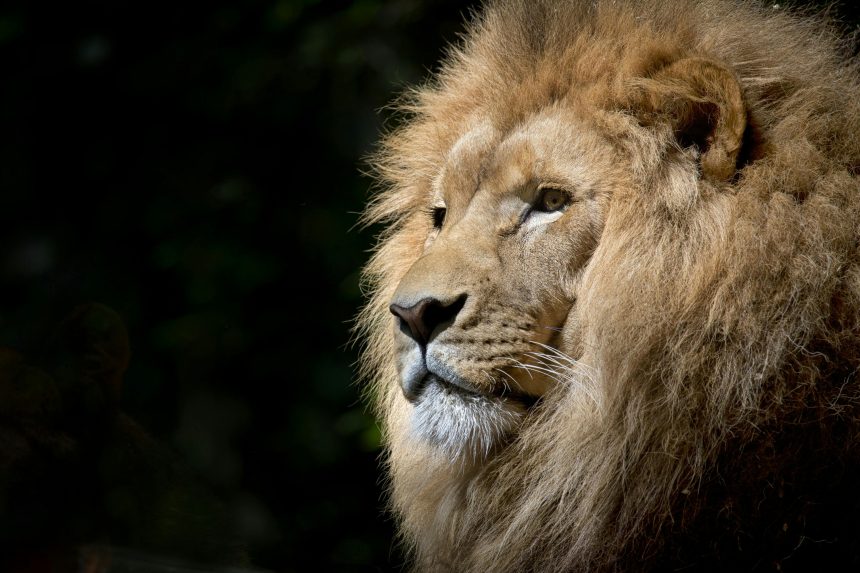
“A nation that will arise like a lion cub…” (Bamidbar 23:24).
Chazal explain that this refers to how Bnei Yisrael rise in the morning with enthusiasm to perform mitzvos—especially Shema, Tzitzis, and Tefillin. In fact, the Vilna Gaon notes that this very pasuk is the source for the first halachah in the Shulchan Aruch: that a Jew should rise each morning like a lion, ready to serve his Creator.
But practically speaking, is this realistic? Most of us wake up groggy. Getting out of bed can feel like a battle. Are we truly expected to leap out like lions?
Rabbeinu Yonah, in the introduction to Sefer HaYirah, offers a transformative perspective. He explains that when we open our eyes in the morning, we must reflect on the chesed Hashem has done in returning our neshamah to us. Despite our shortcomings, He grants us another day—another opportunity—because He believes in our potential.
If we truly internalize that each day is an undeserved gift, a new beginning overflowing with possibility, how could we not jump out of bed with energy and joy?
This sheds new light on Bilaam’s berachah. Klal Yisrael’s lion-like awakening is not just discipline—it’s driven by gratitude. It’s a natural outpouring of appreciation for the gift of life.
That’s why the very first words a Jew says in the morning are Modeh Ani. Before doing anything else, we express thanks to Hashem for restoring our soul and granting us another day.
Rabbi Shimshon Pincus points out that this isn’t just a beautiful custom—it’s a powerful statement of identity. The word modeh (thankful) comes before ani (I). Why? Because our essence is not self-centered. We begin the day by acknowledging that everything we have is from Hashem. Gratitude, not ego, defines us. Modeh Ani teaches us: I am a Jew who gives thanks before I even say “I.”
Interestingly, the word modeh also means to acknowledge. Before we can truly be grateful, we first need to recognize the source of our blessings. Gratitude begins with awareness—acknowledging how much we owe to Hashem’s kindness.
No wonder Chazal considered including this parashah in Krias Shema itself. The only reason they didn’t was due to the concern of burdening the tzibbur. Still, it holds the same deep kedushah and message: gratitude is fundamental.
Rabbi Yechezkel Abramsky had a unique morning ritual. Before saying Modeh Ani, he would gaze out his window. Seeing the world still functioning, he would reflect on Hashem’s constant care—how many potential disasters were averted overnight, how much quiet protection surrounded every new dawn. That sense of wonder would fill his heart with genuine thanks as he began his day.
One final story powerfully illustrates this message.
A 30-year-old avreich was diagnosed with a rare, life-threatening illness. A top specialist told him there was no cure, and he likely had just two years to live.
The doctor was surprised to see the avreich so calm. “In over 20 years of giving difficult diagnoses,” he said, “I’ve never seen anyone respond like this. What are you thinking?”
The avreich replied, “I’m thinking about how lucky I am. Even if your prediction is correct, I will still have 700 more mornings to say Modeh Ani. That’s 700 more days to thank Hashem for life. Every moment is a gift I don’t deserve. And who knows? Hashem is my loving Father. Who says He won’t bless me with even more?”
The Admor of Nadvorna, who shared this story, added that 13 years have passed since that diagnosis. And the avreich is still waking up every morning, still saying Modeh Ani, still thanking Hashem for the priceless gift of life.
May we all merit to begin each day with this clarity and warmth—seeing life as a daily miracle, and living each moment with heartfelt gratitude.