
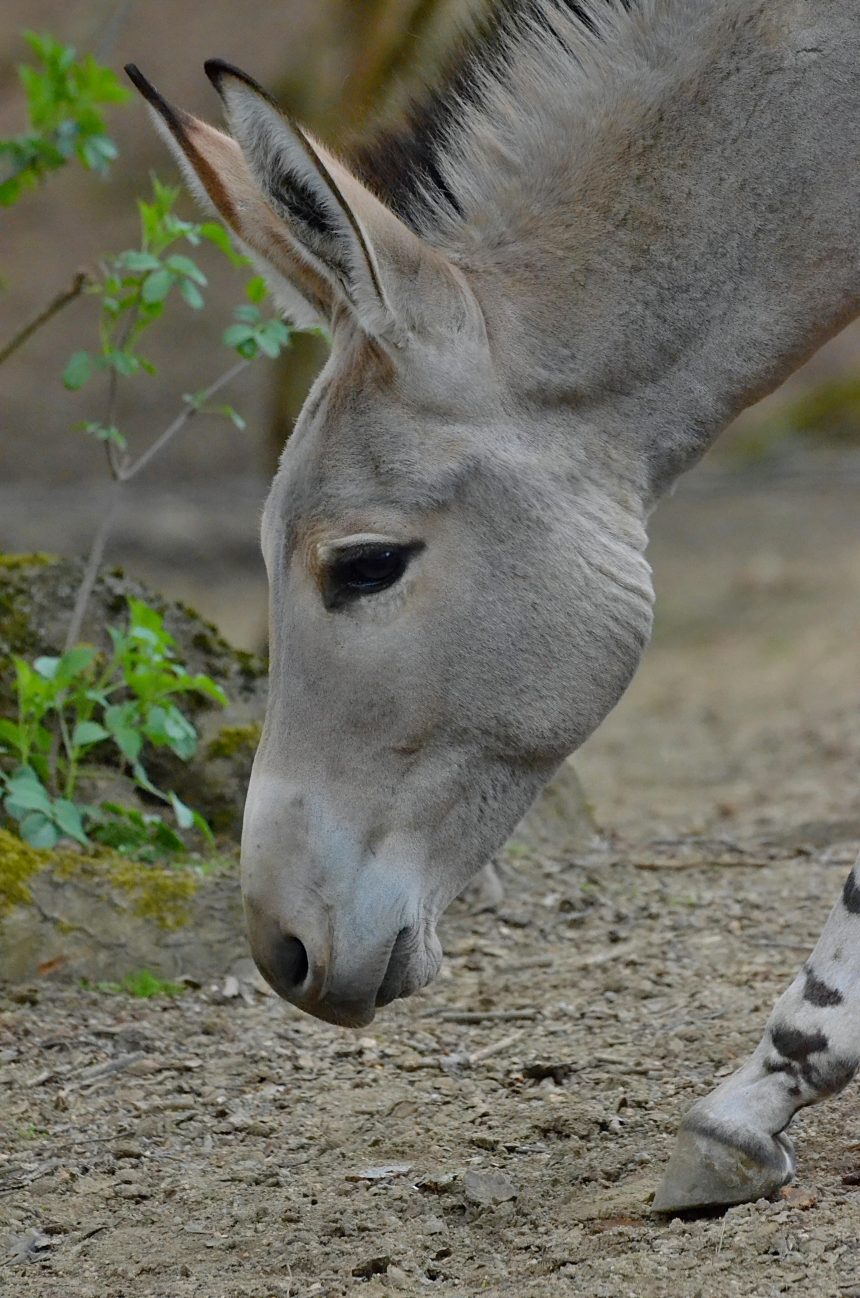
Among the thousands of species of animals on the planet, the donkey stands apart. This animal isn’t even Kosher yet is granted a mitzvah unlike any other: pidyon peter hamor. The Torah commands that its first-born needs to be redeemed as it has a special sanctity. Why is this so?
Chazal (Bechoros 5b) explain that the reason these animals were singled out and granted special sanctity is due to the great merit they earned by assisting Klal Yisrael at the time of Yetzias Mitzrayim. As Hashem promised Avraham, Klal Yisrael left Egypt with a great wealth. They brought out with them, many spoils from the Egyptians in addition to their possessions.
To carry these enormous loads, each Jew had ninety donkeys accompanying them! There were therefore thousands of donkeys that enabled Klal Yisrael to carry these heavy and valuable possessions with them. In recognition of this act, and as an expression of lasting gratitude, they were given this precious mitzvah for all generations. Even today, this mitzvah continues to apply.
Rav Yitzhak Zilberstein raises an interesting question. If one was given the opportunity to attend either a pidyon haben or a pidyon peter hamor, which should he choose? Both are special and unique mitzvos. He suggests that there is basis to say that one should attend a pidyon peter hamor, due to the extraordinary reason behind this mitzvah, which serves as an expression of appreciation. (Chashukei Chemed, Bechoros 2a)
There is a very powerful lesson we see in this teaching of Chazal. Donkeys are strongly built animals and their purpose is to carry heavy loads and they just did what they are made to do. However, we still need to express our gratitude. So too, we need to try and appreciate the many other animals where we benefit from their properties.
Let’s look at cows. First of all, they provide milk, something many of us consume regularly, such as with cereal or in our coffee. Not to mention cheese, a byproduct of milk, which often appears on our tables. Cows also provide meat, with such a variety of different cuts as well as being rich in protein. They also provide leather which is ideal for comfortable and respectable footwear as well as for belts. Not to mention, the precious mitzvah of Tefillin, where both the straps and batim are made from leather.
We also gain a lot from chickens. They give us eggs, which are rich in protein and are eaten daily by many families. Furthermore, poultry is widely consumed and is nutritious and very tasty. It can be used to make a variety of different dishes such as chicken soup and schnitzel, enhancing our oneg Shabbos.
We also benefit tremendously from sheep. They provide wool, which is used to make clothes and blankets keeping us warm and cozy on those cold winter days. It is also used for the production of our Tzitzis. There are also meat and dairy products that come from sheep. We actually find that Yaakov went out of his way to express his appreciation for sheep. He asked Yosef, “Please inquire about the welfare of your brothers and the welfare of the sheep…” (37:14). Chazal explain that Yaakov also asked about the sheep since he benefited from them, such as from shearing their wool and using their milk. (Tanchuma Yashan 13)
So, we learn from this fascinating mitzvah of peter hamor to appreciate how much we gain from animals.
A famous picture shows Rabbi Elya Lopian feeding milk to a cat. The story behind this picture is that there was once a severe mice problem in his Yeshivah, Kfar Chassidim. These mice caused a lot of havoc and disturbed a lot of people. The Yeshivah was trying to figure out what to do, until some talmidim came and brought in a cat. In no time, the problem was solved! The talmidim then wished to send the cat away since its job was done, but Rav Elya told them that they couldn’t do this until the cat was shown hakaras hatov. After all, these mice caused much havoc and the cat caused a stop to this problem. So, Rav Elya, personally brought a plate of milk and bent down to give it to the cat. He then patiently made sure the cat drank from it and was satiated!