
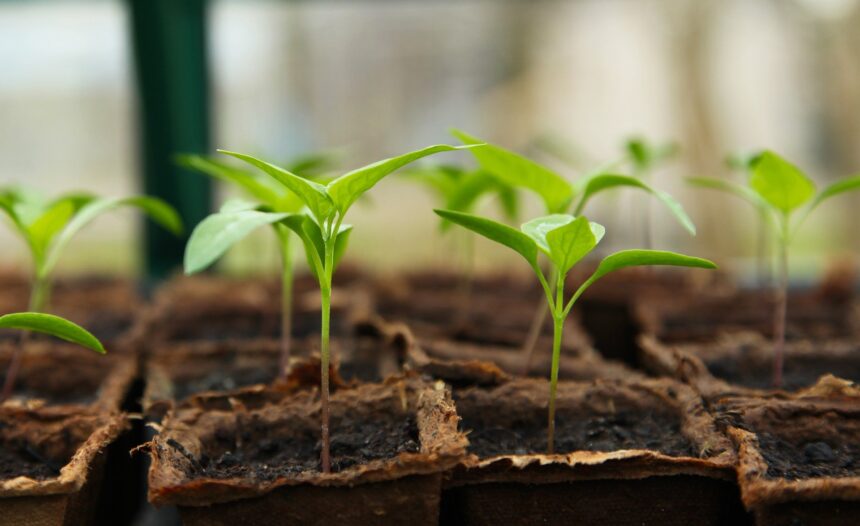
The Torah gives an interesting rule of war. When laying seige to a city, it tells us not to cut down any fruit trees, for we might need to eat from them. And 'a man is like the tree of a field.' (Dvarim 20;19-20). What do these statements mean? One explanation is that if you look through Chazal's stataements when they compare our traits to trees, there are 2 parts; the roots and the fruit (eg Avos 3;22). The roots are always the most important and take the longest to grow strong; only then can the tree and its fruit remain. So too here, the Torah tells us that the secret is not to act rashly; go slowly and build up strong roots in our avodas HaShem. Thus, don't cut down fruit trees rashly, for you might need them (ie think into the future) and a man is like the tree of the field - that requires careful planning and working in serving HaShem if one wants the results - the tree and its fruit - to remain.
Have a Shevat Shalom!
The Mishna in Rosh HaShana says there are four Rosh HaShanas during the course of the year. The Rosh HaShana for the trees is on Tu B'Shvat according to Bais Hillel. Unlike all the other Rosh HaShanas counted in the Mishna where it says the plural form of the category that is having Rosh HaShana (e.g. Kings, Years, Plants, etc.) by Shvat it says the singular Rosh HaShana for "the tree".
The Bnei Yisaschar says that on Tu B'Shvat although it is Rosh Hashana for all trees there is one tree that we focus our attention on this special day. We have a kabala to daven for our esrog for the upcoming Succos.
We daven to Hashem that he should provide us with a kosher and beautiful esrog. This we see in the Mishna which also only mentions that Tu B'Shvat is the Rosh Hashana for "the tree" and not all the trees.
When you are scrambling for a good esrog next year remember how much you davened on Tu B'Shvat and you'll know what kind of esrog you'll end up with.
The gemara in Makos 24a says that although Hashem gave 613 mitzvos various neviim found strong foundations that cover many mitzvos and were able to narrow the count substantially until Chavakuk came and found the main foundation that all the mitzvos sprout from; "Emuna" like the pasuk says "VTzaddik B'Emunosoi Yichye." How can a person become a tzaddik from one mitzva?
The Medrash in Bereishis Rabba says that just like a date tree has no waste so too no one in Bnei Yisroel is discarded as useless. The date tree has fruits which are eaten, soft palm branches used for the Lulav, and hard branches used for schach for the Succa. What is the secret of the date tree? The date tree's trunk is straight and does not have branches going out to all sides, it just grows straight upwards. This produces only useful parts. So too a tzaddik only focuses upwards to Shamayim because he has perfect emunah. He has no need to look sideways to the rest of the world for answers. He, like the date tree, will be completely full of mitzvos with no excess baggage in the form of aveiros.
The date tree sings "Tzaddik KaTamar Yifrach" keep the faith, look up and be a tzaddik. Then you will sprout pure parts just like the date tree.
After the shira, the Bnei Yisrael are in Mara, unable to drink the ‘bitter’ water. Hashem instructs Moshe to put a piece of tree (a branch) into the water. After doing so, the water becomes sweet, and the Bnei Yisrael are able to drink the water. Amazingly, this bitter branch turns the bitter water into sweet water.
Essentially, this is one of the many miracles in the creation of fruit. The bracha ending we say before eating fruit from trees is ‘boreh pri ha’etz’ ‘the One who creates the fruit of the tree’. We don’t just thank Hashem for creating fruit, we also recognise the miracle of creating the fruit, something sweet, from the eitz, the tree, which has a bitter taste. This is similarly true with ‘boreh pri ha’adamah’, where we are also recognising Hashem creating something so sweet from something so bitter, the earth
Video Vort : Yisro
Rabbi Yechiel Emanuel
YISRO
Adobe Flash Player not installed or older than 9.0.115!
To sponsor this website or to advertise to the thousands of people that see ShortVort.com every month or hundreds that receive the weekly email contact moishe@shortvort.com
Site Dedication
This website is dedicated to the memories of
Moshe Shlomo ben R'Shmuel | Shlomo ben R'Chaim | Aryeh Leib ben Pinchas Tzvi